

High blood pressure (hypertension): Symptoms and More
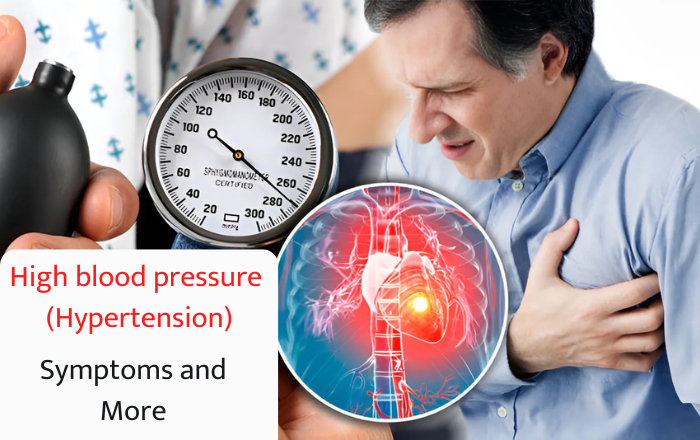
Welcome to our guide to high blood pressure, also known as hypertension. Often referred to as the “silent killer,” this condition affects millions of people worldwide, often with no noticeable symptoms. Understanding high blood pressure, its causes, and how to manage it can significantly improve your quality of life. Whether you’re here to learn about its symptoms or how to prevent it, this blog covers everything you need to know about hypertension. 1. What is High Blood Pressure (Hypertension)? High blood pressure occurs when the force of the blood against the walls of your arteries is consistently too high. Blood pressure is measured as two numbers: Systolic pressure: The pressure when your heart beats. Diastolic pressure: The pressure when your heart is resting between beats. A reading of 120/80 mmHg or lower is considered normal, while a reading of 140/90 mmHg or higher indicates high blood pressure. This condition can develop over years and can lead to serious health problems if left untreated. 2. Common Symptoms of High Blood Pressure Hypertension often develops silently, without any noticeable signs. However, in some cases, people may experience symptoms such as 1. Persistent headaches 2. Dizziness or lightheadedness 3. Shortness of breath 4. Nosebleeds 5. Blurry or double vision If you notice these signs, it’s essential to check your blood pressure regularly. 3. Risk Factors for Hypertension Several factors increase the likelihood of developing high blood pressure. Non-modifiable factors: Family history of hypertension Age (risk increases with age) Gender (men are more susceptible before age 55 and women after age 55) Modifiable Factors: Diet high in salt and low in potassium Lack of physical activity Being overweight Smoking and excessive alcohol consumption Chronic stress Understanding these risks can help you take steps to prevent hypertension. 4. Causes of High Blood Pressure Hypertension can be divided into two categories based on its cause: Primary Hypertension: Develops gradually due to a combination of lifestyle and genetic factors. Secondary Hypertension: Results from underlying conditions such as kidney disease, hormonal imbalances, or certain medications. Identifying the cause is critical to effective treatment. 5. Complications of Untreated Hypertension If left unchecked, high blood pressure can lead to severe complications, including: Heart attack or heart failure Stroke Kidney disease Loss of vision Aneurysms (weakened blood vessel walls) Early detection and management are key to avoiding these serious outcomes. 6. Diagnosis and Monitoring of Hypertension Hypertension is diagnosed using a simple blood pressure test. Regular monitoring will help you track your progress and make sure your numbers stay under control. You can monitor your blood pressure at home with reliable devices. Talk to your healthcare provider if your readings are consistently high. 7. Treatment Options for High Blood Pressure Treatment usually involves a combination of lifestyle changes and medications. Lifestyle Changes: Healthy Eating: Follow a diet rich in fruits, vegetables, whole grains, and lean proteins. Reduce salt and avoid processed foods. Regular Exercise: Aim for at least 30 minutes of moderate activity most days. Weight Management: Maintain a healthy weight to reduce strain on your heart. Quit Smoking: Smoking damages your blood vessels and raises blood pressure. Stress Reduction: Practice relaxation techniques like meditation or yoga. Medications: Your doctor may prescribe medicines such as diuretics, beta-blockers, or calcium channel blockers, depending on your condition. 8. Prevention of Hypertension Preventing hypertension involves simple yet effective steps, such as: Eating a balanced, low-sodium diet Staying active Maintaining a healthy weight Limiting alcohol intake Avoiding tobacco products Managing stress effectively These habits not only prevent high blood pressure but also promote overall health. Hypertension Treatment at Aadhar Multispeciality Hospital If you’re looking for Hypertension Treatment in Dehu, Aadhar Multispeciality Hospital provides comprehensive services to manage high blood pressure effectively. From accurate diagnosis to offering guidance on lifestyle changes and medication, the hospital ensures you receive the care you need to control hypertension and prevent complications. For reliable Hypertension Treatment in Dehu, visit Aadhar Multispeciality Hospital today to take the first step toward better health. For appointments and inquiries, visit Aadhar Multispeciality Hospital in Dehu today. FAQs on High Blood Pressure 1. How can I reduce my blood pressure quickly at home? Take slow, deep breaths, avoid salty foods, and drink plenty of water. 2. When should I see a doctor for hypertension? Consult a doctor if your readings are consistently above 140/90 mmHg or if you experience symptoms like severe headaches or chest pain. 3. What is the normal range for blood pressure? The normal range is below 120/80 mmHg. Anything above this should be monitored closely.
Viral Fever: Symptoms, Causes & Treatment.
Viral Fever: Symptoms, Causes & Treatment. Home – Blog Viral Fever: Symptoms, Causes & Treatment Viral fever is a common condition caused by viral infections, leading to an elevated body temperature. It often occurs alongside symptoms like headache, body aches, chills, sore throat, cough, and fatigue. The fever can be caused by various viruses, such as influenza, dengue, or the common cold, and is typically spread through the air or direct contact with infected surfaces. While viral fever usually resolves on its own within a few days, managing symptoms with rest, hydration, and fever medications can provide relief. If the fever persists or worsens, it’s important to consult a doctor for proper diagnosis and treatment. At Aadhar Multispeciality Hospital, you can consult experienced General Physicians in Dehu who provide reliable guidance for managing viral infections. What is Viral Fever? Viral fever refers to a temporary increase in body temperature due to a viral infection. It can affect anyone, but its severity and symptoms can vary. Symptoms of Viral Fever Symptoms of viral fever include: Fever (above 100.4°F or 38°C) Body aches and fatigue Chills and sweating Sore throat or cough Runny nose Nausea or diarrhea (in some cases) Causes of Viral Fever Viral infections spread through the air, contact with contaminated surfaces, or close interaction with infected individuals. Treatment for Viral Fever For viral fever management: Rest and hydration are crucial. Over-the-counter fever reducers like paracetamol can help. Avoid antibiotics unless prescribed, as they are ineffective against viruses. When to Seek Medical Help? Visit a healthcare facility like Aadhar Multispeciality Hospital if: Fever lasts more than three days. Severe symptoms like dehydration or difficulty breathing occur. Whether you’re consulting an MD Medicine Doctor in Dehu timely care ensures better recovery. Taking steps like maintaining hygiene, eating nutritious food, and staying hydrated can help prevent viral fever. For further assistance, reach out to the team at Aadhar Multispeciality Hospital for dependable care and support. Most Recent Posts All Posts Blog General Physician Orthopaedics Pathology Lab Viral Fever: Symptoms, Causes & Treatment. High Blood Pressure (Hypertension): Symptoms and More. Viral Fever: Symptoms, Causes & Treatment. Category Blog (1) General Physician (3) Orthopaedics (1) Pathology Lab (1) Tags Causes of Viral Fever How accurate are pathology tests? How can high blood pressure be treated? How Can I Prevent an L4-L5 Disc Bulge? How is an L4-L5 Disc Bulge Diagnosed? How is high blood pressure diagnosed? Symptoms of Viral Fever The Role of a Pathologist in Diagnosis and Treatment. Treatment for Viral Fever What Are the Symptoms of an L4-L5 Disc Bulge? What are the symptoms of high blood pressure? What Are the Treatment Options for an L4-L5 Disc Bulge? What Causes an L4-L5 Disc Bulge? What causes high blood pressure? What is an L4-L5 Disc Bulge? What is Viral Fever? What tools do pathologists use? All Posts Blog General Physician Orthopaedics Pathology Lab The Role of a Pathologist in Diagnosis and Treatment. November 7, 2024/ Pathologists are doctors who diagnose diseases by studying tissues, blood, and other body fluids. They play a key role in… Read More L4-L5 Disc Bulge: Causes, Symptoms, Treatments. November 27, 2024/ A bulging disc, especially at the L4-L5 level in the lower back, is a common problem that can lead to… Read More Viral Fever: Symptoms, Causes & Treatment. December 3, 2024/ Viral Fever: Symptoms, Causes & Treatment Viral fever is a common condition caused by viral infections, leading to an elevated… Read More
L4-L5 Disc Bulge: Causes, Symptoms, Treatments.

A bulging disc, especially at the L4-L5 level in the lower back, is a common problem that can lead to pain and discomfort. The L4-L5 disc is located in the lower back between the fourth and fifth vertebrae. It helps cushion the bones in your spine. When the disc bulges or slips out of place, it can press on nearby nerves and cause pain. If you are dealing with an L4-L5 disc bulge, Aadhar Multispeciality Hospital, an orthopedic hospital in Dehu, offers care and treatments to help reduce your discomfort and improve your daily life. What is an L4-L5 Disc Bulge? An L4-L5 disc bulge happens when the disc between the fourth and fifth lumbar vertebrae in your spine sticks out beyond its usual position. The disc is made up of a tough outer layer and a soft inner core. With time, factors like aging or injury can weaken the outer layer, and the soft core can push out. This bulge can press on nearby nerves and cause pain, numbness, or tingling. What Causes an L4-L5 Disc Bulge? Several things can lead to an L4-L5 disc bulge: Aging: As you get older, the discs in your spine can lose water and become less flexible, making them more likely to bulge. Repetitive Stress or Overuse: Activities that involve lifting heavy objects, twisting, or sitting for long periods can put pressure on your discs and lead to a bulge. Injury or Trauma: A fall, car accident, or sports injury can cause the disc to bulge. Poor Posture: Sitting or standing in a slouched position can put extra pressure on your spine and lead to disc problems over time. Genetics: Some people are more likely to have disc problems due to their family history. Obesity: Carrying extra weight can put more pressure on your spine, increasing the risk of disc bulges. What Are the Symptoms of an L4-L5 Disc Bulge? The symptoms of an L4-L5 disc bulge depend on the severity of the bulge and whether it is pressing on nerves. Common symptoms include: Lower Back Pain: A dull or sharp pain in the lower back is common with a bulging disc. Leg Pain (Sciatica): If the bulging disc presses on the sciatic nerve, you may feel pain running down your leg. This is called sciatica. Numbness and Tingling: You might feel a “pins and needles” sensation in your lower back, buttocks, or legs. Weakness: Nerve pressure from the bulging disc can cause weakness in your legs or feet, making it harder to walk. Stiffness: You may find it hard to move or bend over because of pain in the affected area. Bladder or Bowel Issues (in severe cases): In rare cases, a badly herniated disc can affect the spinal cord and cause problems with bladder or bowel control. How is an L4-L5 Disc Bulge Diagnosed? To find out if you have an L4-L5 disc bulge, a doctor will examine you and may suggest some tests: MRI (Magnetic Resonance Imaging): This scan gives clear images of your discs and nerves to show any bulging. X-rays: X-rays help rule out other issues, like bone fractures, that might be causing pain. CT Scan: A CT scan is another test that provides detailed images of the spine. Nerve Studies: In some cases, nerve tests are used to check if the bulging disc is causing nerve damage. What Are the Treatment Options for an L4-L5 Disc Bulge? Treatment for an L4-L5 disc bulge focuses on reducing pain and improving movement. Depending on the severity of the condition, treatment options can include: 1. Non-Surgical Treatments: Rest and Activity Changes: Taking breaks from activities that make the pain worse and avoiding heavy lifting can help. Physical Therapy: A therapist can guide you through exercises to strengthen your back muscles and improve flexibility, which may reduce the pressure on the disc. Pain Medication: Simple pain relievers, like ibuprofen, can help reduce pain and swelling. Heat or Ice: Applying a heating pad or ice pack to the affected area can help relieve pain and reduce swelling. Steroid Injections: In some cases, doctors may recommend an injection to reduce inflammation around the nerves. 2. Surgical Treatment: If the pain doesn’t improve with other treatments, surgery may be an option. Some possible surgeries include: Discectomy: Removing part of the disc that is pressing on the nerve. Laminectomy: Removing part of the vertebra to relieve pressure on the spinal cord or nerves. Spinal Fusion: In cases where the disc damage is severe, fusing two or more vertebrae together may be recommended. Can an L4-L5 Disc Bulge Heal on Its Own? In many cases, an L4-L5 disc bulge can heal with rest, physical therapy, and simple pain management. The body often heals itself by reducing swelling and inflammation. However, if the symptoms don’t improve or get worse, more treatments may be needed. How Can I Prevent an L4-L5 Disc Bulge? To prevent an L4-L5 disc bulge, consider the following tips: Stay at a healthy weight to reduce pressure on your spine. Practice good posture, especially when sitting or standing for long periods. Avoid heavy lifting or learn the proper way to lift. Keep active by doing exercises that strengthen your back and core muscles. Take breaks from sitting for too long to avoid putting pressure on your lower back. An L4-L5 disc bulge can cause pain and discomfort, particularly in your lower back and legs. Understanding the causes, symptoms, and treatment options can help you take steps to manage the condition. If you are experiencing ongoing or severe symptoms, Aadhar Multispeciality Hospital, an orthopedic hospital in Dehu, is here to help with care and treatment plans to manage your spine health. Contact us to learn more about how we can assist with your recovery and back pain management.
The Role of a Pathologist in Diagnosis and Treatment.
Pathologists are doctors who diagnose diseases by studying tissues, blood, and other body fluids. They play a key role in identifying illnesses, guiding treatments, and monitoring recovery, ensuring patients receive accurate and effective care. Who is a pathologist, and what do they do? A pathologist is a doctor who studies tissues, cells, and body fluids to understand diseases. They perform tests and examine samples under a microscope to help diagnose conditions like infections, cancers, and other illnesses. Why is pathology important for diagnosis? Pathology helps doctors confirm a diagnosis. For example: It can show if a lump is cancer or something harmless. It can identify what type of bacteria or virus is causing an infection, helping doctors choose the right medicine.Without pathology, doctors would have to rely only on symptoms, which can be unclear. What types of pathology are there? Pathology has several branches, such as: Anatomical Pathology: Examining tissues and organs to identify problems like tumors. Clinical Pathology: Testing blood, urine, and other fluids to check for diseases or imbalances. Molecular Pathology: Looking at genes to detect inherited conditions or changes linked to diseases. Forensic Pathology: Investigating causes of death, often in legal cases. Do pathologists meet patients? Pathologists mostly work in labs, but sometimes they do meet patients. For example, they may take samples during certain procedures, like a bone marrow test. What tools do pathologists use? Pathologists use many tools to study samples, including: Microscopes to look at cells. Tests to find bacteria, viruses, or specific disease markers. DNA analysis to study genetic changes linked to diseases. How accurate are pathology tests? Pathology tests conducted by reputable Pathology Labs in Dehu at Aadhar Multispeciality Hospital are generally very reliable. These labs use advanced diagnostic tools and techniques to ensure accurate results. However, as with any medical test, there can be occasional ambiguities. In such cases, doctors may recommend additional testing or seek a second opinion for confirmation. Choosing a trusted pathology lab ensures the highest standard of accuracy and care. How do pathologists help with modern treatments? Pathologists study disease markers that guide treatment decisions. For example, in certain cancers, they test for specific genes that help doctors decide which medicine might work best. How do pathologists contribute to early detection? Pathologists help catch diseases early through tests like Pap smears, blood tests, and screenings. Finding a problem early can make treatments more effective. What role do pathologists play in public health? Pathologists help track disease outbreaks, such as COVID-19, and study patterns to guide public health decisions. Their role is especially important in diagnostic centres, like a Diagnostic Centre in Dehu, where they can analyze trends in health data and inform decisions that protect communities. While pathologists may not always meet patients directly, their work is essential for doctors to make informed choices. They help ensure accurate diagnoses and guide the development of effective treatments.