

प्लास्टिक सर्जरीचे धोके आणि फायदे: तुम्हाला काय माहित असणे आवश्यक आहे
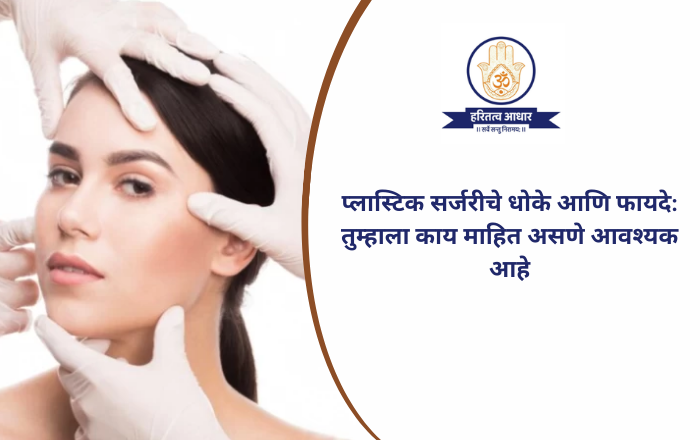
आजच्या आधुनिक आणि चकाकणाऱ्या जगात, स्वतःला सुंदर आणि तरुण ठेवण्याची इच्छा प्रत्येकाच्या मनात असते. पूर्वी केवळ सिने-कलाकारांपर्यंत मर्यादित असलेली ‘प्लास्टिक सर्जरी’ आता सामान्य लोकांच्या आवाक्यात आली आहे. तंत्रज्ञानातील प्रगतीमुळे चेहरा आणि शरीराचे सौंदर्य सुधारणे अधिक सोपे झाले आहे. मात्र, कोणत्याही मोठ्या निर्णयाप्रमाणेच प्लास्टिक सर्जरीचे देखील काही फायदे आणि धोके आहेत. या विषयावर सखोल माहिती जाणून घेतल्याशिवाय पाऊल उचलणे जोखमीचे ठरू शकते. या सविस्तर ब्लॉगमध्ये आपण प्लास्टिक सर्जरीचे विविध पैलू, त्यातील धोके, फायदे आणि घेण्याची खबरदारी यावर चर्चा करणार आहोत. १. प्लास्टिक सर्जरी म्हणजे नक्की काय? अनेकांना वाटते की ‘प्लास्टिक’ सर्जरीमध्ये कृत्रिम प्लास्टिकचा वापर केला जातो, पण हे पूर्णपणे चुकीचे आहे. ‘प्लास्टिक’ हा शब्द ग्रीक शब्द ‘Plastikos’ वरून आला आहे, ज्याचा अर्थ ‘आकार देणे’ किंवा ‘साचा तयार करणे’ असा होतो. ही एक अशी शस्त्रक्रिया आहे ज्यामध्ये शरीराच्या कोणत्याही भागाचा आकार, कार्यक्षमता किंवा सौंदर्य सुधारले जाते. याचे प्रामुख्याने दोन विभाग पडतात: रिकन्स्ट्रक्टिव्ह सर्जरी (Reconstructive Surgery): जन्मतः असलेले दोष (उदा. दुभंगलेले ओठ), अपघातातील जखमा, जळाल्यामुळे झालेले डाग किंवा कॅन्सरसारख्या आजारानंतर शरीराची कार्यक्षमता परत मिळवण्यासाठी ही शस्त्रक्रिया केली जाते. कॉस्मेटिक सर्जरी (Cosmetic Surgery): जेव्हा एखादी व्यक्ती केवळ सौंदर्य वाढवण्यासाठी (उदा. नाक सरळ करणे, सुरकुत्या काढणे, स्तनांचा आकार बदलणे) शस्त्रक्रिया करते, तेव्हा त्याला कॉस्मेटिक सर्जरी म्हणतात. २. प्लास्टिक सर्जरीचे महत्त्वाचे फायदे (Key Benefits) जेव्हा योग्य कारणामुळे आणि तज्ञ डॉक्टरांकडून ही शस्त्रक्रिया केली जाते, तेव्हा त्याचे परिणाम आयुष्य बदलणारे असू शकतात: आत्मविश्वास आणि आत्मसन्मान वाढणे: आपल्या दिसण्यातील एखाद्या त्रुटीमुळे अनेकदा न्यूनगंड निर्माण होतो. प्लास्टिक सर्जरीमुळे हा न्यूनगंड दूर होऊन व्यक्तीचा आत्मविश्वास कमालीचा वाढतो. याचा सकारात्मक परिणाम त्यांच्या व्यावसायिक आणि वैयक्तिक आयुष्यावर होतो. शारीरिक वेदनांपासून मुक्ती: काही वेळा प्लास्टिक सर्जरी आरोग्यासाठी वरदान ठरते. उदाहरणार्थ, ज्या महिलांना मोठ्या स्तनाचा त्रास होतो, त्यांना पाठदुखी आणि मानेचे आजार जाणवतात. ‘ब्रेस्ट रिडक्शन’ सर्जरीमुळे त्यांना या वेदनांपासून कायमची सुटका मिळते. कार्यक्षमता सुधारणे: डोळ्यांच्या पापण्या खाली झुकल्यामुळे (Ptosis) दृष्टीला अडथळा येत असेल किंवा नाकाच्या हाडामुळे श्वास घेण्यास त्रास होत असेल, तर सर्जरीमुळे या समस्या सुटतात आणि जीवनशैली सुधारते. मानसिक आरोग्य सुधारते: स्वतःच्या प्रतिमेबद्दल समाधानी राहिल्यामुळे नैराश्य आणि सामाजिक भीती (Social Anxiety) कमी होण्यास मदत होते. ३. प्लास्टिक सर्जरीमधील संभाव्य धोके (Potential Risks) शस्त्रक्रिया कितीही प्रगत असली तरी त्यात काही धोके असतातच. याबद्दल पूर्ण कल्पना असणे आवश्यक आहे: संसर्ग आणि रक्तस्त्राव (Infection and Bleeding): कोणत्याही शस्त्रक्रियेनंतर जखमेच्या ठिकाणी संसर्ग होण्याचा धोका असतो. काही प्रकरणांमध्ये अंतर्गत रक्तस्त्राव होऊन शस्त्रक्रियेनंतर गुंतागुंत वाढू शकते. अॅनेस्थेसियाचे दुष्परिणाम: शस्त्रक्रियेदरम्यान रुग्णाला भूल दिली जाते. काही व्यक्तींना अॅनेस्थेसियामुळे श्वसनाचे त्रास, मळमळणे किंवा हृदयाशी संबंधित समस्या जाणवू शकतात. कायमस्वरूपी व्रण (Scarring): मॉडर्न तंत्रज्ञानामुळे डाग कमी पडतील याची काळजी घेतली जाते, तरीही काही लोकांच्या त्वचेची रचना अशी असते की तिथे कायमचे व्रण राहू शकतात. नसांचे नुकसान (Nerve Damage): शस्त्रक्रियेदरम्यान काही संवेदनात्मक नसांचे नुकसान झाल्यास, त्या भागातील स्पर्श जाणवणे बंद होऊ शकते किंवा तो भाग बधीर होऊ शकतो. अपेक्षाभंग: सर्वात मोठा मानसिक धोका म्हणजे, शस्त्रक्रियेनंतरचा रिझल्ट तुमच्या कल्पनेनुसार न मिळणे. अनेकदा रुग्ण वास्तवापेक्षा जास्त अपेक्षा ठेवतात, ज्यामुळे शस्त्रक्रियेनंतर त्यांना नैराश्य येऊ शकते. ४. शस्त्रक्रियेपूर्वी आणि नंतरची खबरदारी जर तुम्ही प्लास्टिक सर्जरी करण्याचा पक्का निर्णय घेतला असेल, तर खालील गोष्टींचे पालन करणे अनिवार्य आहे: शस्त्रक्रियेपूर्वी: योग्य डॉक्टरांची निवड: तुमचा डॉक्टर ‘बोर्ड सर्टिफाईड’ प्लास्टिक सर्जन आहे का, हे तपासा. स्वस्त पर्यायांच्या मागे लागून अननुभवी डॉक्टरांकडे जाणे जीवावर बेतू शकते. पारदर्शकता: डॉक्टरांना तुमच्या आजारांच्या इतिहासाबद्दल (उदा. बीपी, शुगर, अॅलर्जी) सर्व काही सांगा. धूम्रपान आणि मद्यपान टाळा: शस्त्रक्रियेच्या किमान ३-४ आठवडे आधी धूम्रपान बंद करणे आवश्यक आहे, कारण निकोटिनमुळे जखमा भरून येण्यास उशीर होतो. शस्त्रक्रियेनंतर: विश्रांती: शरीराला पूर्णपणे बरे होण्यासाठी पुरेसा वेळ द्या. जड शारीरिक काम टाळा. डॉक्टरांचा सल्ला पाळा: जखमेची निगा राखणे, मलम लावणे आणि वेळेवर औषधे घेणे यात हलगर्जीपणा करू नका. धैर्य ठेवा: अंतिम रिझल्ट दिसण्यासाठी काही आठवडे किंवा महिने वाट पहावी लागते, कारण सुरुवातीला सूज असते. ५. वाढता कल आणि सामाजिक दृष्टीकोन आज सोशल मीडियाच्या युगात ‘परफेक्ट’ दिसण्याचा दबाव वाढला आहे. यामुळे तरुण पिढीमध्ये लिप फिलर्स, बॉटॉक्स आणि हेयर ट्रान्सप्लांटचे प्रमाण वाढले आहे. प्लास्टिक सर्जरी ही केवळ सौंदर्यासाठी नाही, तर ती विज्ञानाची एक क्रांती आहे. मात्र, केवळ दुसऱ्या कोणासारखे तरी दिसावे म्हणून शस्त्रक्रिया करणे चुकीचे आहे. स्वतःच्या शरीराचा स्वीकार करणे आणि केवळ आवश्यक असेल तरच वैद्यकीय मदत घेणे, हाच सुवर्णमध्य आहे. ६. खर्च आणि विमा (Cost and Insurance) भारतात प्लास्टिक सर्जरीचा खर्च शस्त्रक्रियेच्या प्रकारानुसार ५०,००० ते ५,००,००० रुपयांपर्यंत असू शकतो. महत्त्वाची गोष्ट म्हणजे, बहुतेक विमा कंपन्या ‘कॉस्मेटिक’ कारणांसाठी केलेल्या सर्जरीचा खर्च कव्हर करत नाहीत. मात्र, अपघातानंतर केलेली ‘रिकन्स्ट्रक्टिव्ह’ सर्जरी विम्यामध्ये कव्हर होऊ शकते. निष्कर्ष प्लास्टिक सर्जरी हा केवळ बाह्य रूप बदलण्याचा निर्णय नसून, तो अधिक चांगल्या जीवनशैलीकडे आणि वाढीव आत्मविश्वासाकडे टाकलेले एक पाऊल आहे. विज्ञानाच्या या प्रगतीमुळे आज आपण आपल्या शरीरातील त्रुटी दूर करू शकतो आणि स्वतःला अधिक सक्षमपणे जगासमोर सादर करू शकतो. मात्र, हे लक्षात ठेवणे महत्त्वाचे आहे की, शस्त्रक्रिया यशस्वी होण्यासाठी योग्य हॉस्पिटल आणि अनुभवी तज्ज्ञांची निवड करणे ही सर्वात पहिली आणि महत्त्वाची अट आहे. चुकीचा निर्णय किंवा केवळ कमी खर्चाचा विचार करणे भविष्यात महागात पडू शकते. त्यामुळे पूर्ण विचार करून आणि तज्ज्ञांशी चर्चा करूनच हा प्रवास सुरू करा. तुमचे सौंदर्य आणि आत्मविश्वास पुन्हा मिळवा! तुम्ही तुमच्या सौंदर्यात सुधारणा करण्यासाठी किंवा आरोग्याशी संबंधित शस्त्रक्रियेसाठी तज्ज्ञांच्या शोधात आहात का? तज्ज्ञ डॉक्टरांचा सल्ला आणि सुरक्षित उपचार हीच कोणत्याही यशस्वी सर्जरीची गुरुकिल्ली आहे. आजच आधार मल्टिस्पेशालिस्ट हॉस्पिटल, देहूरोड ला भेट द्या. आमच्याकडे प्रगत वैद्यकीय तंत्रज्ञान आणि अनुभवी तज्ज्ञांच्या मार्गदर्शनाखाली प्लास्टिक आणि कॉस्मेटिक सर्जरीशी संबंधित सर्व सेवा पुरवल्या जातात. त्वरा करा! तुमच्या मनातील शंकांचे निरसन करण्यासाठी आणि अधिक माहितीसाठी आजच आपली अपॉइंटमेंट बुक करा. 📍 पत्ता: आधार मल्टिस्पेशालिस्ट हॉस्पिटल, देहूरोड. 📞 संपर्क: 92256 53798 🌐 वेबसाइट: https://aadharhospitaldehu.com/ नेहमी विचारले जाणारे प्रश्न (FAQs) १. प्लास्टिक सर्जरीचे परिणाम कायमस्वरूपी असतात का? हो, बहुतेक प्लास्टिक सर्जरीचे परिणाम दीर्घकाळ किंवा कायमस्वरूपी टिकणारे असतात. उदाहरणार्थ, नाकाची शस्त्रक्रिया (Rhinoplasty) किंवा इअर सर्जरीचे परिणाम कायमचे असतात. मात्र, वय वाढण्याच्या नैसर्गिक प्रक्रियेमुळे (Aging) चेहऱ्यावरील त्वचेत कालांतराने बदल होऊ शकतात, ज्यासाठी काही वर्षांनंतर ‘टच-अप’ची गरज भासू शकते. २. शस्त्रक्रियेनंतर पूर्णपणे बरे होण्यासाठी किती वेळ लागतो? हे शस्त्रक्रियेच्या प्रकारावर अवलंबून असते. सामान्यतः, सुरुवातीची सूज आणि वेदना कमी होण्यासाठी १ ते २ आठवडे लागतात. मात्र, शरीराला पूर्णपणे मूळ स्थितीत येण्यासाठी आणि अंतिम रिझल्ट दिसण्यासाठी ३ ते ६ महिने लागू शकतात. या काळात डॉक्टरांनी सांगितलेल्या विश्रांतीच्या सूचना पाळणे अनिवार्य आहे. ३. प्लास्टिक सर्जरीमध्ये खूप वेदना होतात का? शस्त्रक्रियेदरम्यान रुग्णाला भूल (General or Local Anesthesia) दिली जात असल्याने अजिबात वेदना होत नाहीत. शस्त्रक्रियेनंतर काही दिवस थोडी अस्वस्थता, ओढल्यासारखे वाटणे किंवा सौम्य वेदना होऊ शकतात, ज्या औषधांच्या साहाय्याने सहज नियंत्रित
ट्रॉमा केअर (अपघात व गंभीर दुखापतींची तातडीची उपचारसेवा) म्हणजे काय? रुग्ण आणि कुटुंबीयांसाठी संपूर्ण मार्गदर्शक
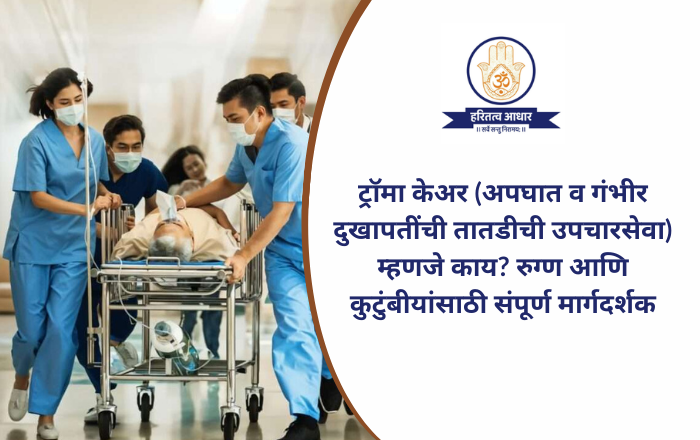
आजच्या आधुनिक आणि धावपळीच्या जीवनात अपघात, अचानक होणाऱ्या गंभीर दुखापती, औद्योगिक दुर्घटना, रस्ते अपघात किंवा नैसर्गिक आपत्ती यांचे प्रमाण वाढत आहे. अशा परिस्थितीत योग्य वेळी मिळणारी ट्रॉमा केअर ही सेवा अनेकदा रुग्णाच्या जीवन-मृत्यूचा निर्णय ठरवते. ट्रॉमा केअर म्हणजे केवळ तातडीचा उपचार नव्हे, तर एक संपूर्ण, शास्त्रीय आणि नियोजित उपचारप्रणाली आहे. या लेखात आपण ट्रॉमा केअरची सखोल माहिती, तिचे महत्त्व, प्रक्रिया, कुटुंबीयांची भूमिका आणि पुनर्वसन याबद्दल सविस्तरपणे जाणून घेणार आहोत. ट्रॉमा केअर म्हणजे नेमकं काय? ट्रॉमा केअर ही अपघात, गंभीर जखमा किंवा जीवघेण्या परिस्थितींमध्ये दिली जाणारी विशेष तातडीची वैद्यकीय सेवा आहे. या सेवेत रुग्णाला झालेल्या दुखापतींचे त्वरित मूल्यांकन, प्राथमिक उपचार, आवश्यक शस्त्रक्रिया आणि पुढील उपचारांचा समावेश होतो. यामध्ये शरीरातील महत्त्वाच्या अवयवांचे संरक्षण करणे, रक्तस्राव थांबवणे आणि रुग्णाची स्थिती स्थिर करणे हे मुख्य उद्दिष्ट असते. कोणत्या परिस्थितीत ट्रॉमा केअर आवश्यक ठरते? खालील प्रसंगी ट्रॉमा केअर अत्यंत आवश्यक असते: रस्ते अपघात किंवा वाहनांची धडक उंचावरून पडणे किंवा घसरून लागणे डोक्याला गंभीर मार लागणे किंवा बेशुद्धावस्था हाडे मोडणे, मणक्याची इजा जळालेल्या किंवा रसायनांमुळे झालेल्या जखमा गोळीबार, चाकू हल्ला किंवा इतर हिंसक घटना अंतर्गत रक्तस्राव किंवा अवयवांना इजा अशा प्रसंगी वेळ वाया न घालवता रुग्णाला सुसज्ज ट्रॉमा सेंटरमध्ये नेणे अत्यावश्यक असते. ट्रॉमा सेंटर म्हणजे काय आणि त्याची वैशिष्ट्ये ट्रॉमा सेंटर म्हणजे गंभीर दुखापतींसाठी खास तयार केलेले रुग्णालय किंवा विभाग. येथे २४ तास प्रशिक्षित डॉक्टर, नर्सेस आणि आधुनिक वैद्यकीय उपकरणे उपलब्ध असतात. ट्रॉमा सेंटरमध्ये खालील सुविधा असतात: आपत्कालीन विभाग (Emergency Department) प्रगत आयसीयू आणि व्हेंटिलेटर सुविधा सीटी स्कॅन, एमआरआय, एक्स-रे यांसारखी तात्काळ तपासणी रक्तपेढी आणि आपत्कालीन शस्त्रक्रिया कक्ष न्यूरोसर्जन, ऑर्थोपेडिक, जनरल सर्जन यांची टीम या सर्व सुविधांमुळे एका छताखाली सर्वांगीण उपचार शक्य होतात. गोल्डन अवर: पहिल्या तासाचे महत्त्व अपघातानंतरचा पहिला तास “गोल्डन अवर” म्हणून ओळखला जातो. या काळात योग्य उपचार मिळाल्यास रुग्णाच्या वाचण्याची शक्यता मोठ्या प्रमाणात वाढते. या टप्प्यात रक्तस्राव नियंत्रित करणे, श्वासोच्छवास सुरू ठेवणे आणि मेंदू व हृदयाचे संरक्षण करणे फार महत्त्वाचे असते. विलंब झाल्यास गंभीर गुंतागुंत किंवा मृत्यूचा धोका वाढतो. ट्रॉमा केअरमध्ये उपचार प्रक्रिया कशी असते? ट्रॉमा केअरमध्ये उपचार एका ठराविक क्रमाने केले जातात: प्राथमिक तपासणी – रुग्णाचा श्वास, नाडी आणि रक्तदाब तपासला जातो जीव वाचवणारे उपचार – रक्तस्राव थांबवणे, ऑक्सिजन देणे तपासण्या – स्कॅन व रक्ततपासणी शस्त्रक्रिया (गरज असल्यास) आयसीयू निगा ही प्रक्रिया जलद आणि समन्वयाने केली जाते. रुग्णांच्या कुटुंबीयांची भूमिका अपघातानंतर कुटुंबीय मानसिक तणावात असतात. अशा वेळी त्यांनी खालील गोष्टी लक्षात ठेवाव्यात: शांत राहून डॉक्टरांशी सहकार्य करणे रुग्णाबाबतची वैद्यकीय माहिती अचूक देणे अफवांवर विश्वास न ठेवणे उपचार प्रक्रियेवर संयम ठेवणे रुग्णाला मानसिक आधार देणे कुटुंबीयांचा सकारात्मक सहभाग उपचारात मोठी मदत करतो. ट्रॉमा केअरनंतरचे पुनर्वसन तातडीच्या उपचारानंतर रुग्णाला पुनर्वसनाची गरज असते. यामध्ये: फिजिओथेरपी आणि हालचाल प्रशिक्षण वेदना व्यवस्थापन मानसिक समुपदेशन नियमित वैद्यकीय फॉलोअप योग्य पुनर्वसनामुळे रुग्ण पुन्हा आत्मविश्वासाने जीवन जगू शकतो. ट्रॉमा केअर का अत्यंत महत्त्वाची आहे? ट्रॉमा केअर ही केवळ तातडीची सेवा नसून एक जीवन वाचवणारी प्रणाली आहे. योग्य वेळेत मिळालेली सेवा अपंगत्व कमी करते, मृत्यूदर घटवते आणि रुग्णाच्या जीवनमानात सुधारणा घडवते. निष्कर्ष अपघात किंवा गंभीर दुखापतीच्या प्रसंगी वेळ वाया घालवू नका.तज्ञ डॉक्टर, अत्याधुनिक सुविधा आणि 24×7 ट्रॉमा केअर सेवेसाठी आजच संपर्क साधा –👉 आधार मल्टिस्पेशालिस्ट हॉस्पिटल, देहूरोड.तुमच्या आणि तुमच्या कुटुंबाच्या सुरक्षिततेसाठी विश्वासार्ह उपचार केंद्र. ट्रॉमा केअर – थोडक्यात FAQs 1. ट्रॉमा केअर म्हणजे काय?गंभीर अपघात व जीवघेण्या दुखापतींसाठी दिली जाणारी तातडीची विशेष उपचारसेवा म्हणजे ट्रॉमा केअर. 2. ट्रॉमा केअर कधी आवश्यक असते?रस्ते अपघात, डोक्याला इजा, जास्त रक्तस्राव, जळालेल्या जखमा किंवा हाडे मोडल्यास. 3. ट्रॉमा सेंटरमध्ये काय सुविधा असतात?24 तास डॉक्टर, आयसीयू, स्कॅन, शस्त्रक्रिया आणि तज्ज्ञांची टीम. 4. ट्रॉमा केअरनंतर रुग्ण बरा होतो का?वेळेत उपचार व योग्य पुनर्वसन मिळाल्यास बहुतेक रुग्ण सुधारतात.
डायबिटीस: 7 प्रमुख लक्षणं आणि हा आजार टाळण्यासाठी महत्त्वाच्या टिप्स – नक्की वाचा
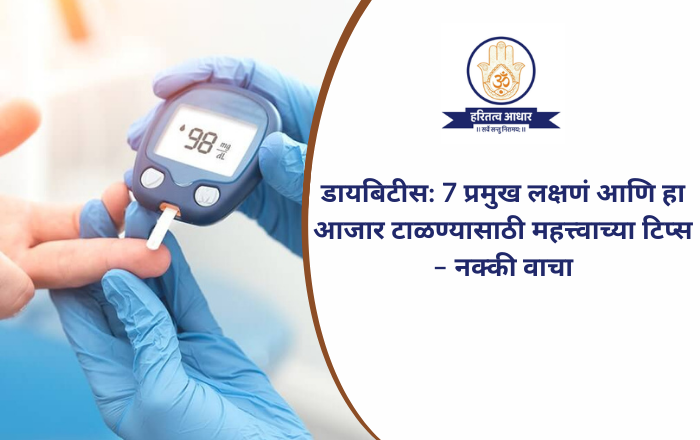
डायबिटीस म्हणजे शरीरातील रक्तातील साखर नियंत्रण बिघडणे. आजच्या वेगवान जीवनशैलीत ताण, चुकीचा आहार, झोपेची कमतरता आणि शारीरिक हालचालींचा अभाव यामुळे डायबिटीसचे प्रमाण झपाट्याने वाढताना दिसते. योग्य वेळी निदान आणि व्यवस्थापन केल्यास हा आजार नियंत्रणात ठेवता येतो. परंतु अनेक लोकांना सुरुवातीची लक्षणं ओळखता येत नाहीत आणि उपचार उशिरा सुरू होतात. आधार मल्टिस्पेशालिस्ट हॉस्पिटल, देहूरोड येथे अनुभवी डॉक्टरांची टीम डायबिटीसचे अचूक निदान, वैयक्तिक उपचार योजना आणि संपूर्ण डायबिटीस व्यवस्थापन प्रदान करते. चला तर जाणून घेऊया डायबिटीसची सर्वात सामान्य लक्षणं आणि हा आजार टाळण्यासाठी उपयुक्त सवयी. डायबिटीस म्हणजे काय? डायबिटीस हा एक मेटाबॉलिक डिसऑर्डर आहे ज्यात शरीर इन्सुलिन पुरेशा प्रमाणात तयार करत नाही किंवा तयार झालेला इन्सुलिन प्रभावीपणे काम करत नाही. इन्सुलिनचे काम म्हणजे रक्तातील ग्लुकोज पेशींमध्ये पोहोचवणे. इन्सुलिनची कमतरता झाल्यावर साखर रक्तातच जमा होते आणि हळूहळू शरीरातील अनेक अवयवांवर परिणाम करू लागते. डायबिटीसची 7 प्रमुख लक्षणं 1. सतत तहान लागणे (Excessive Thirst) रक्तातील साखर वाढल्यामुळे मूत्राचे प्रमाण वाढते. त्यामुळे शरीरातील पाण्याची कमतरता होते आणि दिवसभर सतत तहान लागते. हा बदल अचानक जाणवत असल्यास डॉक्टरांचा सल्ला घेणे आवश्यक आहे. 2. वारंवार लघवी होणे (Frequent Urination) रक्तातील साखर जास्त असल्यास किडनी ती फिल्टर करण्याचा प्रयत्न करते. त्यामुळे दिवसभर वारंवार लघवी होते, विशेषतः रात्री झोपेतून उठून लघवीला जावे लागते. 3. सतत थकवा जाणवणे (Constant Fatigue) शरीराला ऊर्जा मिळण्यासाठी ग्लुकोज पेशींमध्ये जाणे आवश्यक आहे. पण इन्सुलिन व्यवस्थित काम करत नसल्यामुळे पेशींना ऊर्जा मिळत नाही आणि थकवा वाढतो. 4. वजन कमी होणे (Unintentional Weight Loss) जेवण व्यवस्थित घेत असूनही अचानक वजन कमी होणे हे डायबिटीसचे एक महत्त्वाचे लक्षण आहे. शरीर ग्लुकोजचा वापर करू शकत नाही म्हणून ते चरबी आणि स्नायूंचा वापर करायला लागते. 5. जखमा लवकर न भरून येणे (Slow Healing Wounds) उच्च साखरेमुळे रक्ताभिसरण कमी होते आणि शरीराची जखमा भरून काढण्याची क्षमता कमी होते. छोटीशी जखम किंवा काप सुद्धा अनेक दिवस टिकून राहू शकतो. 6. दृष्टी धूसर होणे (Blurred Vision) रक्तातील साखर वाढल्यास डोळ्यांच्या लेंसवर परिणाम होतो ज्यामुळे दृष्टी धूसर दिसू लागते. वेळेवर उपचार न केल्यास ही समस्या गंभीर होऊ शकते. 7. वारंवार भूक लागणे आणि अस्वस्थता (Excessive Hunger & Irritability) शरीराला ऊर्जा पोहोचत नसल्याने मेंदू सतत भूक जाणवू लागतो. त्याचबरोबर चिडचिड, ताण आणि बेचैनी वाढू शकते. डायबिटीस का वाढतो? कारणं जाणून घ्या अस्वास्थ्यकर आहार – जास्त साखर, जास्त तेलकट पदार्थ, फास्ट फूड शारीरिक हालचालींचा अभाव ताण आणि झोपेची कमतरता अनुवांशिक कारणं अति वजन (Obesity) हार्मोनल बदल डायबिटीस टाळण्यासाठी महत्त्वाच्या टिप्स खालील जीवनशैलीतील बदल डायबिटीस टाळण्यासाठी अत्यंत प्रभावी आहेत: 1. संतुलित आणि पौष्टिक आहार घ्या ताज्या भाज्या, फळं, संपूर्ण धान्य, डाळी साखर, मैदा, तळलेले पदार्थ, पॅक्ड फूड कमी करा दिवसातून छोटे-मोठे 4–5 मील्स घ्या 2. रोज 30-45 मिनिटे व्यायाम करा वेगाने चालणे, योगा, सायकलिंग, स्ट्रेचिंग – कोणताही व्यायाम शरीरातील इन्सुलिन सेन्सिटिव्हिटी वाढवतो. 3. वजन नियंत्रणात ठेवा ओटीपोटावरची चरबी डायबिटीसचा धोका वाढवते. आहार + व्यायाम यांच्या मदतीने वजन संतुलित ठेवा. 4. पुरेशी झोप घ्या दररोज 7–8 तासांची झोप हार्मोन्स व्यवस्थित ठेवते आणि साखर नियंत्रण सुधारते. 5. नियमित रक्तातील साखरेची तपासणी करा विशेषतः खालील लोकांसाठी— 35 वर्षांपेक्षा जास्त वय वजन जास्त कुटुंबात डायबिटीसचा इतिहास उच्च रक्तदाब किंवा कोलेस्टेरॉल 6. ताण कमी करा दीर्घकाळ ताण राहिल्यास शरीरात हार्मोनल बदल होतात आणि साखर वाढते. ध्यान, श्वासोच्छ्वास तंत्र, योगा उपयुक्त आहेत. 7. धूम्रपान व मद्यपान टाळा हे दोन्ही सवयी डायबिटीसची गती वाढवतात आणि हृदयविकाराचा धोका दुप्पट करतात. डायबिटीसचे परिणाम – दुर्लक्ष केल्यास काय होऊ शकते? हृदयविकार (Heart Disease) किडनीचे आजार डोळ्यांचे आजार / दृष्टी कमी होणे नसांमध्ये बधिरता, चुरचुर पायांच्या जखमा स्ट्रोक गर्भवती महिलांमध्ये गुंतागुंत (Gestational Diabetes) योग्य वेळी उपचार घेतल्यास हे सर्व धोके कमी करता येतात. डायबिटीसचा संशय आल्यास काय करावे? डायबिटीसची लक्षणं हलकी असतात, त्यामुळे संशय आल्यास तपासणी उशिरा न करता त्वरित डॉक्टरांकडे जाणे आवश्यक आहे. आधार मल्टिस्पेशालिस्ट हॉस्पिटल, देहूरोड येथे खालील तपासण्या उपलब्ध आहेत: Fasting Blood Sugar (FBS) PPBS HbA1c Lipid Profile Kidney Function Test Diabetic Foot Assessment या तपासण्यांच्या आधारे तज्ञ डॉक्टर आपल्या प्रकृतीनुसार उपचार योजना तयार करतात. FAQs – डायबिटीस: 7 प्रमुख लक्षणं आणि टिप्स 1. डायबिटीस म्हणजे काय?डायबिटीस हा एक मेटाबॉलिक आजार आहे ज्यामध्ये शरीरातील इन्सुलिन कार्य करत नाही किंवा पुरेशी इन्सुलिन तयार होत नाही. त्यामुळे रक्तातील साखर वाढते. 2. डायबिटीसची लक्षणं कोणती आहेत?सतत तहान लागणे, वारंवार लघवी होणे, थकवा, वजन कमी होणे, जखमा लवकर भरून न येणे, दृष्टी धूसर होणे आणि सतत भूक लागणे ही मुख्य लक्षणं आहेत. 3. कोणत्या कारणांमुळे डायबिटीस होतो?अस्वास्थ्यकर आहार, वजन जास्त, शारीरिक हालचालींचा अभाव, ताण, अनुवांशिक कारणं आणि हार्मोनल बदल यामुळे डायबिटीस होऊ शकतो. 4. डायबिटीस टाळण्यासाठी काय करावे?संतुलित आहार, नियमित व्यायाम, वजन नियंत्रण, पुरेशी झोप, ताण कमी करणे आणि धूम्रपान-मद्यपान टाळणे हे मुख्य उपाय आहेत. निष्कर्ष डायबिटीस आजच्या काळात सर्वात वेगाने वाढणाऱ्या आजारांपैकी एक आहे. योग्य आहार, नियमित व्यायाम, ताण नियंत्रण आणि वेळेवर तपासणी यामुळे हा आजार नियंत्रणात ठेवता येतो. सुरुवातीची लक्षणं कधीही दुर्लक्षित करू नका. आरोग्याबाबत जागरूक राहा आणि आवश्यक असल्यास त्वरित तज्ञांचा सल्ला घ्या – आधार मल्टिस्पेशालिस्ट हॉस्पिटल, देहूरोड.
वजन कमी करण्यासाठी आहारतज्ज्ञाचे 7 प्रभावी टिप्स
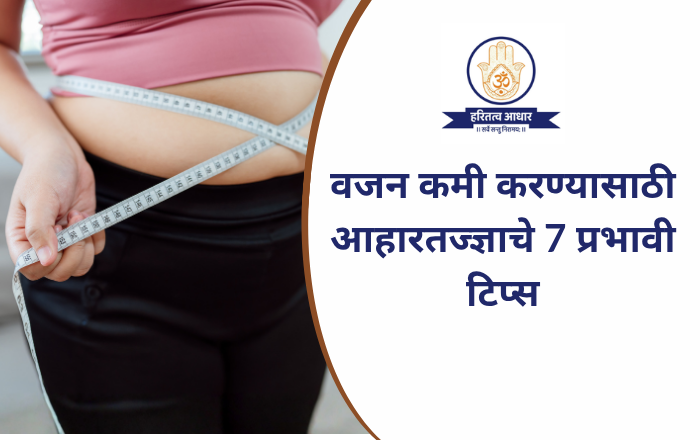
अनेकांना वजन कमी करण्याची इच्छा असते, पण योग्य मार्गदर्शन आणि सातत्य नसल्यामुळे परिणाम दिसत नाही. वजन कमी करणे म्हणजे फक्त डाएटिंग नाही, तर शरीराचा मेटाबॉलिझम, पोषण, आणि मानसिक आरोग्याचा समतोल राखणे आवश्यक आहे. चला तर मग जाणून घेऊया – आहारतज्ज्ञांनी सुचवलेल्या 7 प्रभावी टिप्स ज्या तुम्हाला आरोग्यदायी पद्धतीने वजन कमी करण्यात मदत करतील. 1. नाश्ता कधीही चुकवू नका सकाळचा नाश्ता हा दिवसातील सर्वात महत्त्वाचा आहार असतो. अनेकजण वजन कमी करण्यासाठी नाश्ता टाळतात, परंतु हे उलट शरीराचा मेटाबॉलिझम मंदावते आणि दिवसभरात जास्त खाण्याची शक्यता वाढते. पौष्टिक नाश्त्यात ओट्स, डाळी, फळे, आणि प्रोटीनयुक्त पदार्थांचा समावेश करा.यामुळे ऊर्जा टिकून राहते आणि अति खाण्यापासून बचाव होतो. 2. छोटे आणि वारंवार खाण्याची सवय लावा मोठे आणि कमी वेळा खाण्याऐवजी दिवसात 5–6 वेळा छोटे-छोटे आहार घ्या.यामुळे शरीराचा ब्लड शुगर लेव्हल स्थिर राहतो आणि भूक नियंत्रणात राहते. उदा. – सकाळचा नाश्ता, मधल्या वेळेत फळ, दुपारचे जेवण, संध्याकाळी हलका स्नॅक, आणि रात्री हलके जेवण. 3. पुरेसे पाणी प्या पाणी शरीरातील टॉक्सिन्स बाहेर टाकते आणि मेटाबॉलिझम वाढवते.कधीकधी भूक लागल्यासारखे वाटते पण ती प्रत्यक्षात शरीराची पाण्याची गरज असते.दररोज किमान 2.5 ते 3 लिटर पाणी प्या. तसेच जेवणाआधी एक ग्लास पाणी पिण्याची सवय लावा — यामुळे जास्त खाणे टाळता येते. 4. साखर आणि प्रोसेस्ड पदार्थ टाळा जंक फूड, सॉफ्ट ड्रिंक्स, पॅकेज्ड स्नॅक्स, आणि गोड पदार्थांमध्ये साखर व ट्रान्स फॅटचे प्रमाण जास्त असते.हे पदार्थ शरीरात चरबी साठवतात आणि वजन वाढवतात. त्याऐवजी घरगुती पदार्थ, नैसर्गिक गोडवा (जसे की खजूर, मध) आणि संपूर्ण धान्य वापरा.आरोग्यदायी पर्याय निवडणे हे वजन कमी करण्याचे मुख्य पाऊल आहे. 5. पुरेशी झोप आणि ताण नियंत्रण वजन कमी करण्यासाठी झोप आणि मानसिक आरोग्य देखील महत्त्वाचे आहे.झोपेचा अभाव आणि ताणामुळे शरीरात कॉर्टिसॉल हार्मोन वाढतो, ज्यामुळे वजन वाढते. दररोज 7–8 तासांची झोप घ्या आणि ध्यान, योग, किंवा संगीताच्या माध्यमातून मन शांत ठेवा. 6. नियमित व्यायाम आणि शारीरिक सक्रियता ठेवा फक्त आहाराने वजन कमी होत नाही, तर व्यायाम आणि सक्रिय जीवनशैली अत्यावश्यक आहे.दररोज किमान 30–45 मिनिटे चालणे, सायकलिंग, योगा, किंवा कार्डिओ करा. पायऱ्या चढणे, चालत ऑफिसला जाणे, आणि लिफ्टऐवजी जिना वापरणे हे छोटे बदलही मोठा फरक घडवतात. 7. आहारतज्ज्ञांचा सल्ला घ्या आणि वैयक्तिक डाएट प्लॅन तयार करा प्रत्येक व्यक्तीचा शरीरप्रकार, मेटाबॉलिझम, आणि आरोग्यस्थिती वेगळी असते.म्हणूनच आहारतज्ज्ञांचा सल्ला घेऊन वैयक्तिक डाएट चार्ट तयार करणे अत्यंत महत्त्वाचे आहे. आहारतज्ज्ञ तुमच्या शरीराला आवश्यक असलेले पोषण, प्रोटीन, आणि फॅटचे प्रमाण समजून देतात, ज्यामुळे वजन कमी करणे सुरक्षित आणि दीर्घकालीन होते. वजन कमी करताना टाळावयाच्या चुका फॅड डाएट किंवा उपाशी राहणे एकदम जलद परिणामाची अपेक्षा ठेवणे व्यायाम न करता फक्त डाएटवर अवलंबून राहणे पुरेशी झोप न घेणे पाण्याचे सेवन कमी ठेवणे या छोट्या चुका दीर्घकाळात शरीरावर नकारात्मक परिणाम करतात. त्यामुळे संयम, सातत्य आणि योग्य मार्गदर्शन हेच यशाचे रहस्य आहे. वजन कमी करण्यासाठी काही नैसर्गिक उपाय सकाळी कोमट पाण्यात लिंबाचा रस आणि मध मिसळून प्या. हिरवा चहा किंवा डिटॉक्स वॉटरचा वापर करा. ताज्या फळे व भाज्यांचा समावेश वाढवा. प्रोबायोटिक पदार्थ जसे की दही, ताक घ्या. हे उपाय शरीरातील चरबी कमी करण्यात आणि पचन सुधारण्यात मदत करतात. वारंवार विचारले जाणारे प्रश्न (FAQs): 1. वजन कमी करण्यासाठी किती वेळ लागतो?हे प्रत्येक व्यक्तीच्या शरीरप्रकारावर अवलंबून असते. साधारणपणे दर महिन्याला 2–4 किलो वजन कमी करणे हे सुरक्षित आणि आरोग्यदायी लक्ष्य आहे. 2. उपाशी राहून वजन कमी होऊ शकते का?नाही. उपाशी राहिल्यास मेटाबॉलिझम मंदावतो आणि शरीरात चरबी साठते. संतुलित आहार घेणेच योग्य आहे. 3. रात्रीचे जेवण केव्हा घ्यावे?झोपण्याच्या 2 तास आधी हलके आणि पचणारे जेवण घ्यावे. जड पदार्थ किंवा तळलेले पदार्थ टाळावेत. 4. वजन कमी करण्यासाठी कोणता व्यायाम सर्वोत्तम आहे?कार्डिओ व्यायाम, जसे चालणे, धावणे, झुंबा, सायकलिंग, आणि योग हे प्रभावी पर्याय आहेत. 5. डिटॉक्स डाएट खरंच उपयोगी आहे का?डिटॉक्स डाएट शरीरातील विषारी घटक काढून टाकण्यास मदत करतात, परंतु ते दीर्घकाळासाठी नव्हे तर अल्पकालीन उपाय म्हणूनच वापरावेत. निष्कर्ष (Conclusion) वजन कमी करणे ही एक दीर्घकालीन प्रक्रिया आहे, ज्यात संतुलित आहार, नियमित व्यायाम, पुरेशी झोप, आणि सकारात्मक विचारसरणी यांचा समावेश आवश्यक आहे.आहारतज्ज्ञांच्या सल्ल्याने योग्य पद्धतीने केलेले वजन नियंत्रण केवळ शरीराला नव्हे तर मनालाही निरोगी ठेवते. वजन कमी करण्यासाठी वैयक्तिक आहार मार्गदर्शन आणि तज्ज्ञ सल्ल्यासाठी, आजच संपर्क साधा – आधार मल्टिस्पेशालिस्ट हॉस्पिटल, देहूरोड.तुमच्या आरोग्यप्रवासात आमचे तज्ञ आहारतज्ज्ञ आणि डॉक्टर तुमच्या सोबत आहेत.
Heart Failure Explained: Causes, Symptoms, and Treatment Options
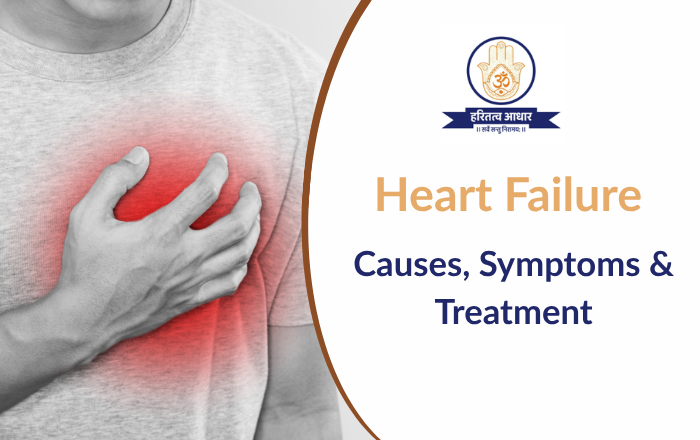
If you’ve been feeling unusually tired, short of breath, or noticed swelling in your legs, you might be wondering what’s going on with your body. These could be signs of heart failure—a condition that affects millions of people but is often misunderstood. Heart failure doesn’t mean your heart has stopped working. Instead, it means your heart isn’t pumping blood as well as it should. The good news? With proper treatment and lifestyle changes, many people with heart failure live full, active lives. In this blog, we’ll explain what heart failure is, what causes it, how to recognize the warning signs, and what you can do about it. Whether you’re concerned about symptoms or supporting a loved one, this guide will help you understand heart failure in simple, clear terms. What Is Heart Failure? Heart failure happens when your heart muscle becomes weakened or stiff and can’t pump enough blood to meet your body’s needs. Think of it like a water pump that’s not working at full strength—it still works, but not efficiently enough. There are different types of heart failure. Left-sided heart failure is the most common type, where the left side of your heart can’t pump blood properly to the rest of your body. Right-sided heart failure affects the right side, causing fluid to back up in your legs, ankles, and belly. Congestive heart failure means fluid builds up in your lungs or other parts of your body. It’s important to know that heart failure is different from a heart attack. A heart attack happens suddenly when blood flow to your heart is blocked. Heart failure develops over time as your heart gradually weakens. What Causes Heart Failure? Several health conditions can damage or overwork your heart, leading to heart failure: Common Medical Causes: Coronary artery disease – When arteries that supply blood to your heart become narrow or blocked High blood pressure – Forces your heart to work harder over many years Previous heart attacks – Damage from a heart attack weakens the heart muscle Heart valve problems – Faulty valves make your heart work harder Diabetes – High blood sugar damages blood vessels and nerves that control your heart Lifestyle Risk Factors: Smoking and tobacco use Heavy alcohol consumption Being overweight or obese Lack of physical activity Drug abuse Your risk increases if you’re over 65, have a family history of heart problems, or have multiple health conditions. Men and women can both develop heart failure, though causes may differ slightly between genders. Recognizing the Warning Signs Knowing the symptoms of heart failure can help you get treatment early. Here are the most common signs: Early Symptoms: Shortness of breath – Especially when lying down or during physical activity Constant tiredness – Feeling exhausted even after resting Swelling – Puffy ankles, legs, or belly from fluid buildup Rapid heartbeat – Your heart racing or beating irregularly Persistent cough – Often worse at night or when lying flat Less ability to exercise – Can’t do activities you used to do easily Serious Symptoms Needing Immediate Care: Severe chest pain or pressure Sudden, severe shortness of breath Coughing up pink, foamy mucus Fainting or severe weakness Rapid weight gain (2-3 pounds in a day) If you experience any serious symptoms, call emergency services right away. Don’t wait to see if symptoms improve on their own. How Doctors Diagnose Heart Failure Your doctor will start with questions about your symptoms and medical history. They’ll listen to your heart and lungs and check for swelling in your legs. Common tests include: Blood tests – Check for markers of heart failure and kidney function Electrocardiogram (ECG) – Records your heart’s electrical activity Echocardiogram – Uses sound waves to create pictures of your heart Chest X-ray – Shows if your heart is enlarged or if fluid is in your lungs These tests help doctors understand how well your heart is pumping and plan the best treatment for you. Treatment Options That Work Heart failure treatment focuses on managing symptoms, slowing disease progression, and improving your quality of life. Medications:Your doctor may prescribe several types of medicine: Diuretics (water pills) – Remove extra fluid to reduce swelling ACE inhibitors or ARBs – Help blood vessels relax and lower blood pressure Beta-blockers – Slow your heart rate and reduce strain on your heart Other medications – Depending on your specific needs Lifestyle Changes: What you do every day matters just as much as medicine: Reduce salt intake – Aim for less than 2,000 mg daily; avoid processed foods Monitor your weight – Weigh yourself daily; call your doctor if you gain 2-3 pounds quickly Stay active – Light exercise like walking helps your heart stay stronger Limit fluids – Your doctor may suggest drinking less if you have swelling Quit smoking – Smoking damages your heart and blood vessels Manage stress – Try relaxation techniques, yoga, or meditation Medical Devices and Procedures: Some people need devices to help their heart work better: Pacemakers to control heart rhythm Implantable defibrillators to prevent dangerous heart rhythms In severe cases, heart surgery or valve repair Frequently Asked Questions Q1. Can heart failure be cured?Heart failure is usually a long-term condition, but proper treatment can significantly improve symptoms and help you live longer. Managing the condition well is key. Q2. Can I exercise with heart failure?Yes! Appropriate exercise actually helps most people with heart failure. Talk to your doctor about safe activities for your situation. Q3. Is heart failure the same as cardiac arrest?No. Cardiac arrest is when the heart suddenly stops beating, while heart failure is a long-term condition where the heart struggles to pump blood effectively. Take Action for Your Heart Health Heart failure can sound alarming, but understanding it is the first step toward managing it. With the right care plan and healthy habits, you can protect your heart and maintain a good quality of life. If you’re in Pune and looking for trusted cardiac care, visit Aadhar Multispeciality Hospital — the best cardiology hospital
Trauma Care: Understanding Critical Emergency Conditions and Life-Saving Interventions
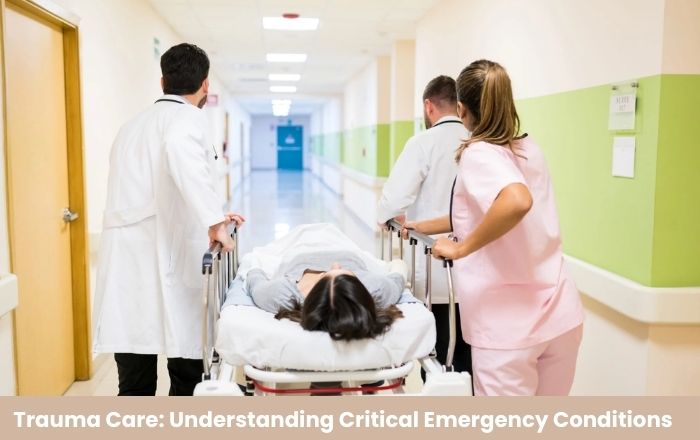
Trauma is one of the leading causes of morbidity and mortality worldwide, making trauma care an essential aspect of emergency medicine. Whether caused by accidents, falls, burns, or violent incidents, traumatic injuries require immediate and efficient medical intervention to prevent fatal outcomes. At Aadhar Multispeciality Hospital, a leading Trauma Centre in Dehu Road, Pune, we specialize in providing advanced trauma care to save lives and ensure better recovery outcomes for our patients. What is Trauma Care? Trauma care refers to the specialized medical attention given to individuals who have suffered severe injuries. It encompasses pre-hospital care, emergency treatment, surgical interventions, critical care, and rehabilitation. Effective trauma management follows a well-defined protocol to stabilize patients and provide life-saving treatments as quickly as possible. Common Causes of Trauma Traumatic injuries can occur due to various reasons, including: Road Traffic Accidents (RTAs): High-speed collisions, pedestrian accidents, and vehicle crashes account for a significant portion of trauma cases. Falls: Particularly common among the elderly and children, falls can lead to fractures, head injuries, and internal bleeding. Violence and Assaults: Injuries from physical assaults, gunshots, and stab wounds require urgent medical attention. Burns and Scalds: Thermal, electrical, and chemical burns can cause severe tissue damage. Workplace and Industrial Accidents: Heavy machinery injuries, electrocution, and exposure to hazardous substances pose serious risks. Sports and Recreational Injuries: Concussions, fractures, and ligament tears often occur in contact sports and outdoor activities. The Golden Hour in Trauma Care In trauma care, the first hour after an injury, known as the ‘Golden Hour,’ is crucial in determining the patient’s chances of survival and recovery. Timely medical intervention can prevent complications such as excessive blood loss, organ failure, or permanent disability. Aadhar Multispeciality Hospital, a trusted Trauma Centre in Dehu Road, Pune, ensures rapid emergency response and immediate medical attention to maximize survival rates. Key Life-Saving Interventions in Trauma Care 1. Pre-Hospital Emergency Care Pre-hospital trauma care begins at the scene of the accident or injury. Emergency medical responders provide basic life support (BLS), control bleeding, and stabilize fractures before transporting the patient to the hospital. Ambulance services equipped with trained paramedics play a vital role in reducing mortality. 2. Emergency Room (ER) Management Upon arrival at the hospital, trauma patients undergo rapid assessment and triage based on the severity of their injuries. The Advanced Trauma Life Support (ATLS) protocol is followed, which includes: Airway Management: Ensuring the patient has a clear airway to facilitate breathing. Breathing and Ventilation: Providing oxygen or mechanical ventilation if needed. Circulation and Hemorrhage Control: Stopping internal and external bleeding while maintaining blood pressure. Disability Assessment: Evaluating neurological status using the Glasgow Coma Scale (GCS). Exposure and Environmental Control: Preventing hypothermia and further injury. 3. Surgical Interventions Severe trauma cases often require immediate surgical procedures, such as: Emergency Laparotomy: For internal bleeding in the abdomen. Craniotomy: To relieve pressure from traumatic brain injuries. Orthopedic Surgeries: To fix fractures and restore mobility. Thoracic Surgery: For chest injuries affecting the lungs and heart. 4. Intensive Care and Post-Surgical Management Critically injured patients may need admission to the Intensive Care Unit (ICU) for continuous monitoring and organ support. This includes: Mechanical ventilation for respiratory distress. Blood transfusions for severe hemorrhagic shock. Medications to stabilize blood pressure and prevent infections. 5. Rehabilitation and Recovery Post-trauma rehabilitation focuses on restoring physical, cognitive, and psychological functions. Physiotherapy, occupational therapy, and counseling are crucial in helping patients regain independence and quality of life. Why Choose Aadhar Multispeciality Hospital, the Leading Trauma Centre in Dehu Road, Pune? Aadhar Multispeciality Hospital is a trusted name in emergency and trauma care, offering: 24/7 Emergency Services: Our fully-equipped emergency department is always prepared for critical cases. Advanced Diagnostic Facilities: CT scans, MRIs, and laboratory tests aid in accurate diagnosis and treatment. Multi-Specialty Expertise: Our team includes trauma surgeons, neurosurgeons, orthopedic specialists, and critical care experts. State-of-the-Art ICU: Ensuring continuous monitoring and specialized care for critically injured patients. Rapid Ambulance Response: Our ambulance services ensure quick transportation and immediate medical attention. Trauma care is a time-sensitive and multidisciplinary approach that can make the difference between life and death. Aadhar Multispeciality Hospital, a premier Trauma Centre in Dehu Road, Pune, is dedicated to delivering high-quality emergency medical care with state-of-the-art technology and expert professionals. If you or a loved one faces a medical emergency, trust Aadhar Multispeciality Hospital for immediate and comprehensive trauma care. Remember, timely intervention can save lives!
Tips for preventing ear infections in children.
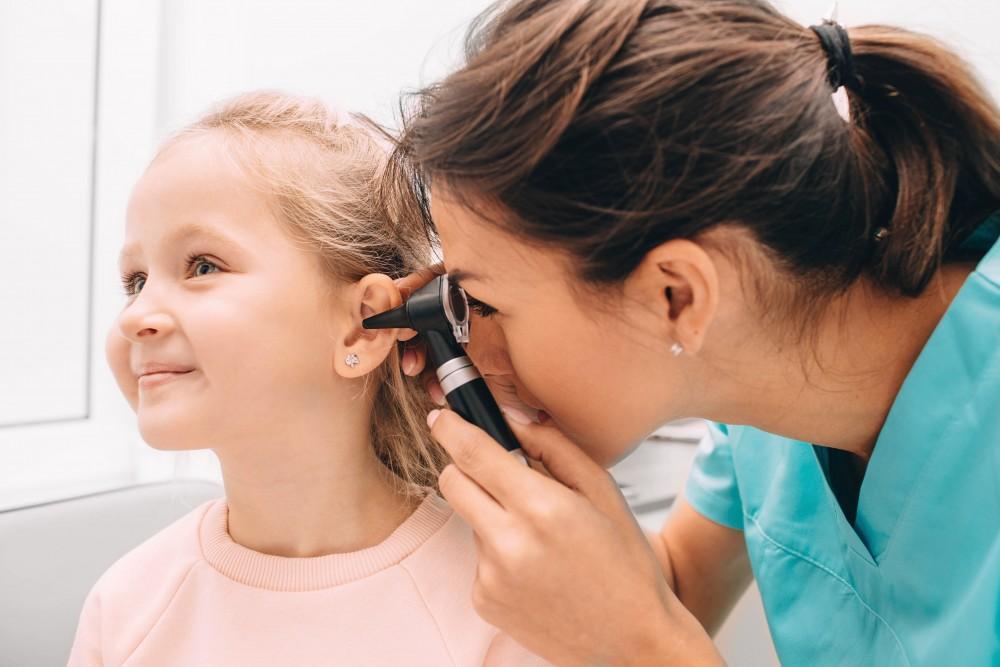
Ear infections are a common concern among young children, often causing discomfort, pain, and even temporary hearing loss. As a parent, understanding how to prevent ear infections can help keep your child healthy and happy. In this blog, we’ll explore the best preventive measures you can take to reduce the risk of ear infections in children. 1. Maintain Good Hygiene Proper hygiene is essential in preventing infections, including those in the ears. Teach your child to wash their hands regularly, especially before eating and after playing. This reduces the spread of germs that can lead to ear infections. 2. Keep the Ears Dry and Clean Excess moisture in the ears can create an environment for bacteria and fungi to grow. After baths or swimming, gently dry your child’s ears using a soft towel. Avoid using cotton swabs, as they can push earwax deeper into the ear canal and increase the risk of infections. 3. Breastfeed for Stronger Immunity Breastfeeding helps boost a baby’s immune system, reducing the risk of infections, including ear infections. If possible, breastfeed your baby for at least six months to provide them with essential antibodies. 4. Avoid Secondhand Smoke Exposure Exposure to cigarette smoke can weaken a child’s immune system and make them more prone to ear infections. Ensure that your home and car remain smoke-free environments for your child’s health. 5. Practice Proper Bottle-Feeding Techniques If you are bottle-feeding your baby, always hold them in an upright position. Feeding them while they are lying down can cause milk to flow into the ear canals, increasing the chances of infection. 6. Get Routine Vaccinations Vaccines like the pneumococcal and flu vaccines can help prevent infections that may lead to ear problems. Ensure your child receives all recommended vaccinations on time to strengthen their immunity. 7. Treat Allergies Promptly Allergies can cause nasal congestion, leading to fluid buildup in the ears and increasing the risk of infections. If your child has allergies, consult a doctor for proper management. 8. Maintain a Healthy Diet A well-balanced diet rich in vitamins and minerals helps boost immunity, making it easier for your child’s body to fight off infections. Encourage your child to eat fruits, vegetables, and foods high in omega-3 fatty acids. 9. Encourage Regular Check-Ups Regular visits to a pediatrician can help detect and prevent ear infections early. If your child frequently suffers from ear infections, consult a specialist at a reputed hospital for proper evaluation and treatment. Preventing ear infections in children requires a combination of good hygiene, proper nutrition, and medical care. By following these preventive tips, you can help safeguard your child’s ear health and overall well-being. For expert pediatric care and treatment, visit Aadhar Hospital, a trusted hospital in Dehu Road known for its comprehensive child healthcare services. Our experienced doctors are committed to providing the best medical care for your little ones.
Understanding appendicitis signs and symptoms to watch out for
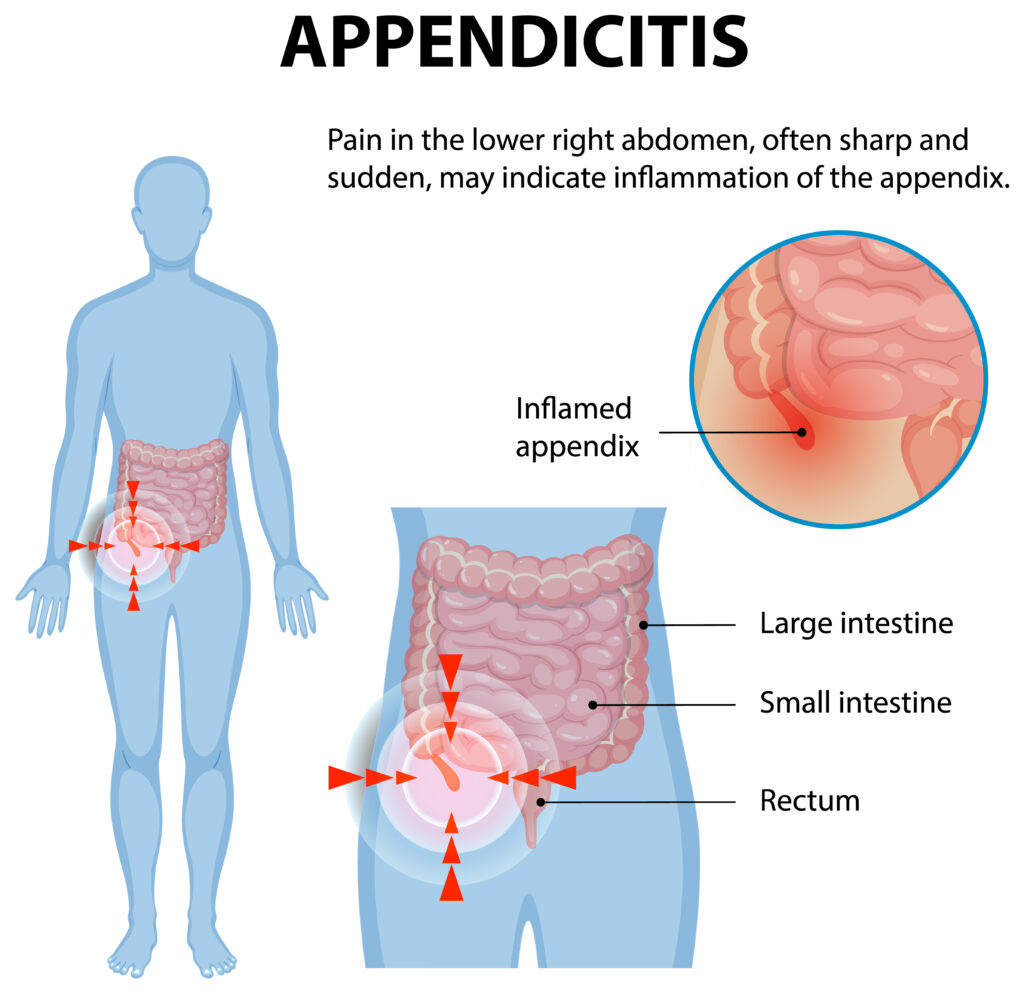
Appendicitis is a common yet potentially serious medical condition that occurs when the appendix becomes inflamed. If left untreated, it can lead to a ruptured appendix, causing severe complications like peritonitis (infection of the abdominal lining). Recognizing the signs and symptoms of appendicitis early can make a significant difference in treatment outcomes. In this blog, we’ll explore what appendicitis is, its key symptoms, and when to seek medical attention. What is Appendicitis? The appendix is a small, finger-shaped pouch located in the lower right side of the abdomen. While its exact function remains unclear, inflammation of this organ can cause significant discomfort and health risks. Appendicitis often requires prompt medical intervention, typically involving surgical removal of the appendix (appendectomy). Key Signs and Symptoms of Appendicitis Appendicitis symptoms can vary from person to person, but there are several common signs to watch out for: Abdominal Pain The most telltale sign of appendicitis is pain that begins near the belly button and gradually shifts to the lower right side of the abdomen. The pain often worsens over time and may intensify with movement, coughing, or sneezing. Loss of Appetite A sudden lack of interest in eating, especially when accompanied by abdominal pain, can be an early indicator of appendicitis. Nausea and Vomiting Many individuals with appendicitis experience nausea, sometimes followed by vomiting. This symptom often appears after the onset of abdominal pain. Fever and Chills A low-grade fever, typically ranging from 99°F to 100.5°F, may develop as the body fights inflammation. Chills may also occur in some cases. Digestive Issues Appendicitis can cause constipation or diarrhea, along with an inability to pass gas. Some people may also experience bloating. Rebound Tenderness Pressing on the lower right side of the abdomen and then quickly releasing the pressure may cause sharp pain, a condition known as rebound tenderness. Elevated White Blood Cell Count While not a visible symptom, an increase in white blood cells is often detected through blood tests and indicates an infection or inflammation. When to Seek Medical Attention If you or someone you know experiences persistent abdominal pain, especially in the lower right side, along with any of the symptoms mentioned above, it’s crucial to seek medical help immediately. Appendicitis can progress quickly, and delaying treatment increases the risk of complications. Diagnosis and Treatment Doctors typically diagnose appendicitis through a combination of physical examinations, blood tests, and imaging studies like ultrasounds or CT scans. If appendicitis is confirmed, the standard treatment is an appendectomy, which can be performed as an open surgery or laparoscopically. Why Early Intervention Matters Early detection and treatment of appendicitis are vital to prevent the appendix from rupturing. A ruptured appendix can spread infection throughout the abdomen, leading to life-threatening conditions. Prompt medical care ensures a smoother recovery and reduces the risk of complications. Aadhar Hospital: Your Trusted Healthcare Partner If you suspect appendicitis or are experiencing any of the symptoms mentioned above, don’t wait. Seek immediate medical attention at a trusted healthcare facility. For residents near Dehu Road, Aadhar Hospital is a leading healthcare provider known for its expert medical team and advanced facilities. As a renowned hospital in Dehu Road, Aadhar Hospital offers comprehensive diagnostic and surgical services, ensuring you receive the best possible care. Whether it’s appendicitis or any other medical concern, Aadhar Hospital is committed to providing timely and effective treatment. Visit Aadhar Hospital today and experience healthcare you can trust. By understanding the signs and symptoms of appendicitis, you can take proactive steps to protect your health. Remember, early intervention is key, and choosing the right healthcare provider makes all the difference. For world-class medical care, look no further than Aadhar Hospital, the premier hospital in Dehu Road.
Prediabetes: What It Means and How to Reverse It
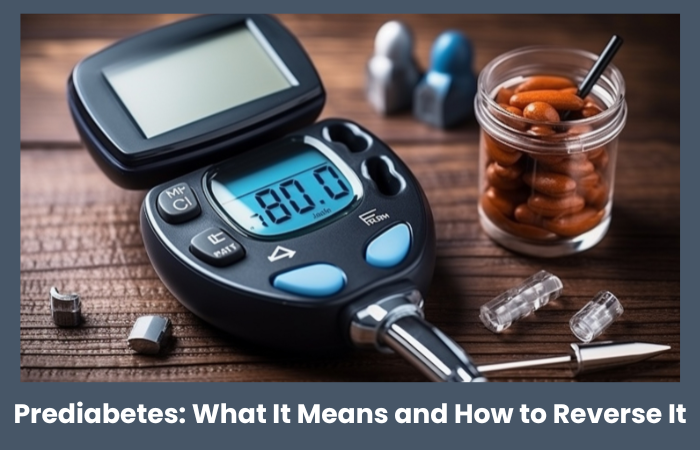
Prediabetes is a silent warning sign that your blood sugar levels are higher than normal but not high enough to be classified as type 2 diabetes. If left unchecked, prediabetes can progress into full-blown diabetes, increasing the risk of serious health complications like heart disease, kidney problems, and nerve damage. However, the good news is that prediabetes is reversible with timely intervention and lifestyle changes. What is Prediabetes? Prediabetes occurs when the body becomes resistant to insulin or when the pancreas does not produce enough insulin to maintain normal blood sugar levels. It is often diagnosed when fasting blood sugar levels range between 100–125 mg/dL, or an HbA1c test shows levels between 5.7% and 6.4%. Common Risk Factors for Prediabetes Several factors can increase the risk of developing prediabetes, including: Being overweight or obese Lack of physical activity Poor dietary habits (high sugar and processed food intake) Family history of diabetes High blood pressure or cholesterol levels Polycystic ovary syndrome (PCOS) Age (risk increases after 45 years) Signs and Symptoms of Prediabetes Unlike diabetes, prediabetes often has no noticeable symptoms. However, some people may experience: Increased thirst and frequent urination Fatigue and sluggishness Unexplained weight gain Darkened skin patches (acanthosis nigricans) on the neck, armpits, or groin Sugar cravings and hunger spikes How to Reverse Prediabetes Reversing prediabetes requires commitment to healthy lifestyle changes. Below are proven strategies to lower blood sugar levels and prevent diabetes. 1. Improve Your Diet Eating a balanced diet is crucial in managing blood sugar levels. Some dietary tips include: Increase Fiber Intake: Whole grains, legumes, and vegetables help slow sugar absorption. Opt for Lean Proteins: Chicken, fish, tofu, and beans support muscle health and satiety. Cut Refined Carbs and Sugars: Minimize white bread, sugary drinks, and processed foods. Choose Healthy Fats: Avocados, nuts, and olive oil support insulin sensitivity. 2. Stay Physically Active Exercise helps the body use insulin more efficiently and lowers blood sugar levels. Aim for: At least 150 minutes of moderate exercise per week (walking, swimming, cycling) Strength training twice a week to improve metabolism Daily movement to reduce sedentary behavior 3. Maintain a Healthy Weight Even losing 5-10% of body weight can significantly reduce the risk of developing diabetes. A combination of a healthy diet and regular exercise can aid in weight management. 4. Manage Stress Levels Chronic stress can lead to insulin resistance. Practices such as meditation, deep breathing, and yoga can help lower stress hormones and improve overall well-being. 5. Get Quality Sleep Poor sleep patterns can affect blood sugar control. Aim for 7-9 hours of quality sleep each night to maintain a healthy metabolism and insulin function. 6. Monitor Blood Sugar Levels Regularly checking blood sugar levels can help track progress and make necessary adjustments to lifestyle habits. When to Seek Medical Help? If you have risk factors for prediabetes or experience symptoms, consult a healthcare provider for proper screening and guidance. Early detection can make a huge difference in preventing diabetes. For those looking for professional medical support, Aadhar Hospital, a trusted hospital in Dehu, provides expert consultation and advanced diabetes management services. Their team of specialists offers personalized treatment plans to help you reverse prediabetes effectively. Prediabetes is a warning sign, but it is not a permanent condition. By making simple yet effective lifestyle changes, you can reverse prediabetes and take control of your health. Don’t wait until it’s too late—start making healthier choices today! If you’re looking for expert guidance, visit Aadhar Hospital, a leading hospital in Dehu, for comprehensive diabetes care and prevention programs.
How Smoking Harms Your lungs and Heart: A Comprehensive Guide
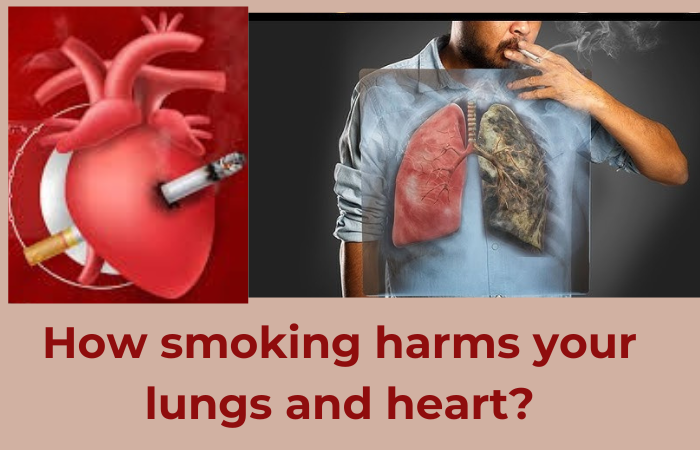
Smoking is a well-known health hazard, yet millions worldwide continue to engage in this life-threatening habit. While the risks associated with smoking are numerous, its impact on two vital organs—the lungs and the heart—is particularly alarming. In this blog, we will delve into how smoking damages these organs and why quitting is the best decision for your health. If you’re looking for guidance on managing smoking-related health conditions, Aadhar Hospital, a reputed hospital in Dehu, is here to help. How Smoking Harms Your Lungs 1. Damages Lung Tissue Smoking introduces harmful chemicals like tar and nicotine into your lungs. These substances coat the inner lining of your lungs, leading to the destruction of delicate lung tissue. Over time, this damage can reduce lung capacity and make breathing difficult. 2. Causes Chronic Obstructive Pulmonary Disease (COPD) Chronic Obstructive Pulmonary Disease is a group of conditions, including emphysema and chronic bronchitis, that obstruct airflow and make breathing laborious. Smoking is the leading cause of COPD and can worsen the condition with continued exposure to harmful chemicals. 3. Increases Risk of Lung Cancer The carcinogens in cigarette smoke are directly linked to lung cancer. Studies show that smokers are 15 to 30 times more likely to develop lung cancer compared to non-smokers. The risk increases with the number of cigarettes smoked per day and the duration of smoking. 4. Weakens Immune Response Smoking weakens your lungs’ ability to fight infections. Smokers are more susceptible to respiratory infections like pneumonia, bronchitis, and even tuberculosis. How Smoking Affects Your Heart 1. Raises Blood Pressure and Heart Rate Nicotine, a primary component of cigarettes, increases your heart rate and constricts blood vessels. This forces your heart to work harder, raising blood pressure and increasing the risk of hypertension. 2. Promotes Atherosclerosis Smoking accelerates the build-up of plaque in arteries, a condition known as atherosclerosis. This can lead to reduced blood flow and blockages, significantly increasing the risk of heart attacks and strokes. 3. Reduces Oxygen Supply Carbon monoxide from cigarette smoke binds with hemoglobin in the blood, reducing its oxygen-carrying capacity. This deprives your heart and other vital organs of essential oxygen, leading to fatigue and long-term damage. 4. Increases Risk of Coronary Heart Disease (CHD) Smokers are at a much higher risk of developing coronary heart disease, which can result in heart attacks and heart failure. The risk is even higher for those who combine smoking with other unhealthy lifestyle factors. Why You Should Quit Smoking Quitting smoking is the single most effective step you can take to protect your lungs and heart. Within weeks of quitting, your lung function begins to improve, and your risk of heart disease starts to decline. Long-term benefits include a significantly reduced risk of lung cancer, COPD, and heart-related issues. Aadhar Hospital: Your Partner in Health If you or your loved ones are struggling with smoking-related health issues, seeking professional medical help is crucial. Aadhar Hospital, a trusted hospital in Dehu, offers comprehensive care for lung and heart conditions. Their experienced team of doctors and state-of-the-art facilities ensure that you receive the best possible treatment and guidance on your journey to better health. Services Offered: Smoking cessation programs Diagnosis and treatment of lung diseases Comprehensive cardiac care Preventive health check-ups Your health is your most valuable asset, and Aadhar Hospital is committed to helping you protect it. Smoking harms your lungs and heart in ways that can lead to life-threatening conditions. Understanding these risks is the first step toward making healthier choices. If you’re ready to quit smoking or need medical support for smoking-related health issues, don’t hesitate to visit Aadhar Hospital, the leading hospital in Dehu. Take the first step toward a healthier, smoke-free life today!